
Priorat
Gratallops and Lloar
The earliest recorded evidence of viticulture and winemaking in Priorat dates to the 12th century.
The Carthusian monastery of Scala Dei was founded in 1194, and its monks established a lasting tradition of viticulture in the region.
In the late 19th century, phylloxera devastated the vineyards, causing severe economic hardship and driving emigration.
Before phylloxera, Priorat had around 5,000 hectares under vine. Replanting took decades.
The DO Priorat was formally created in 1954.
Clos Alkio is based in Gratallops, in the heart of Priorat. The village has more than 25 officially registered wineries, including some of Spain's most renowned producers.
Clos Alkio's vineyards are located around Gratallops and the neighbouring village of El Lloar.
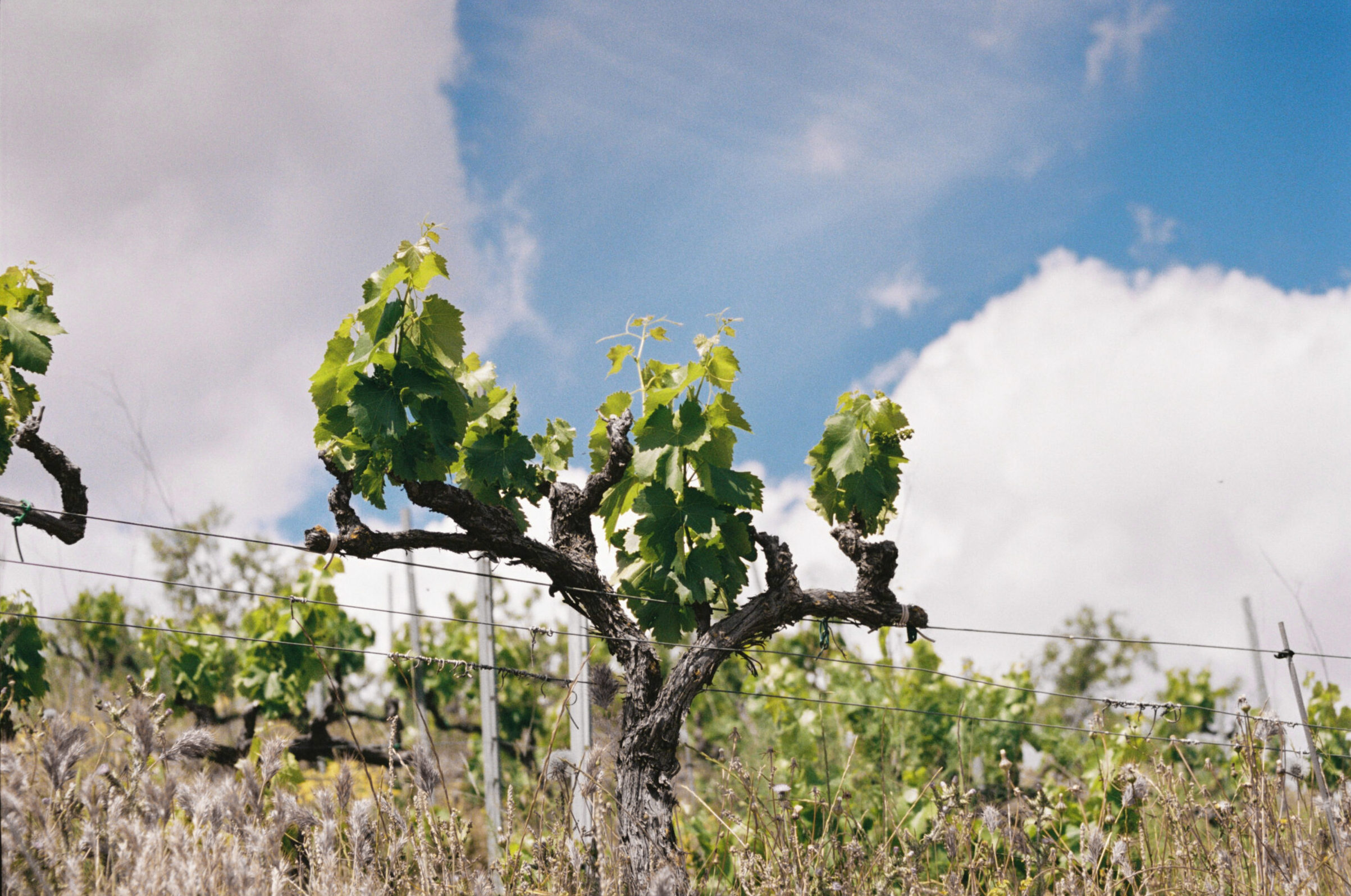
Many of the vines are old and deeply rooted in Priorat's mineral-rich llicorella soils.
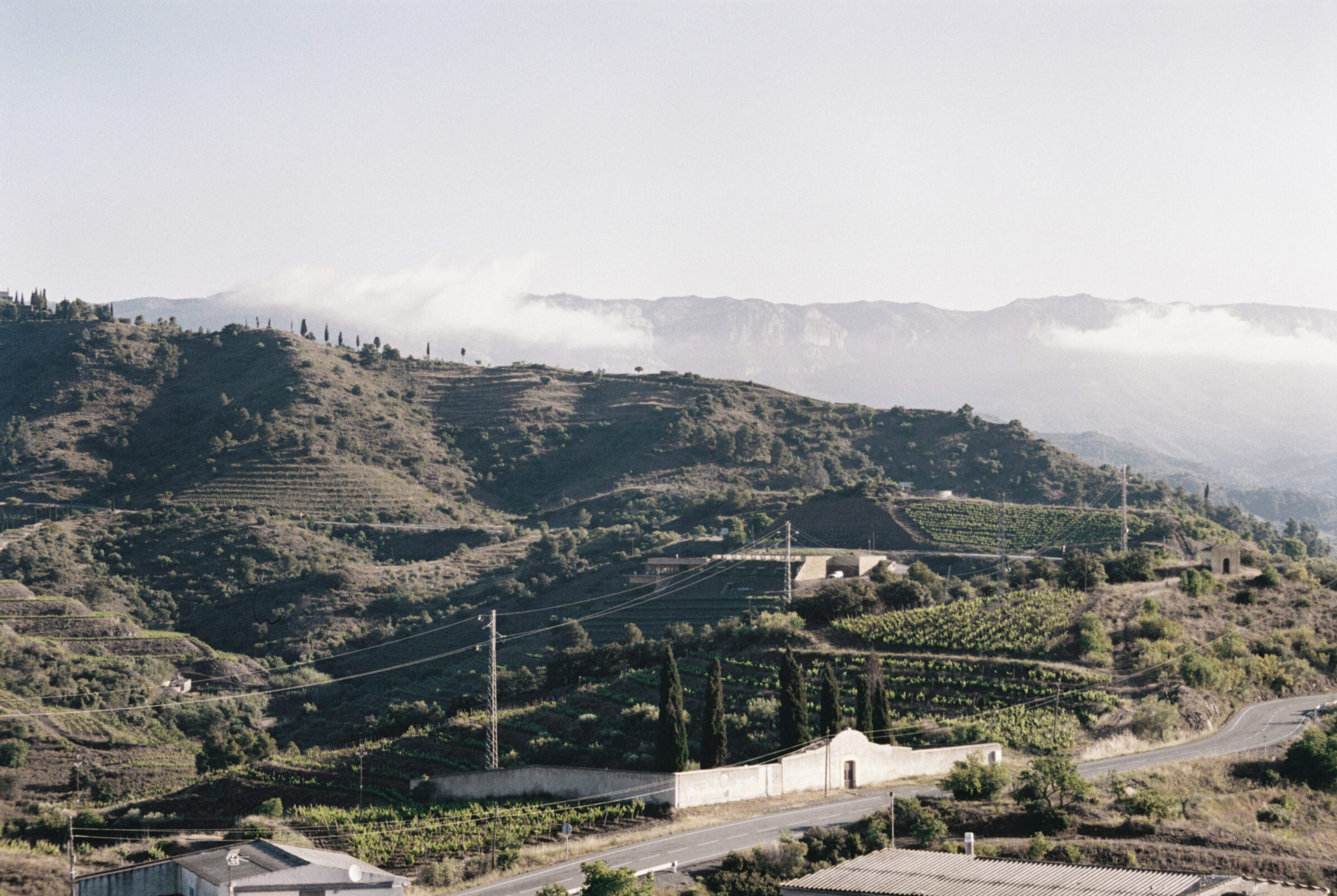
Motel in Lloar
The land at El Lloar was the first property acquired by Clos Alkio.
The name Motel comes from a favourite song that I listened to while walking for kilometres along the paths between Priorat's villages. Eventually, those paths brought me here.
It took me only a few hours to decide to buy the property, and it has remained especially meaningful to me ever since.
My first harvest took place here on September 12, 2020.
I have watched the newly planted Carignan vines develop with a sense of wonder.
Despite the dry summer of 2022, the young vines produced a remarkably generous crop.
Here, as in every Clos Alkio vineyard, we use only products permitted in organic viticulture and work to protect the site's biodiversity.
Our aim is always to grow grapes of the highest possible quality.
We have also begun restoring the building at Motel.
I look forward to the day when we can share tastings with friends and clients on Motel's terrace.
- Size: 5.7 hectares (2.9 hectares planted)
- Grape varietals: Grenache, Carignan
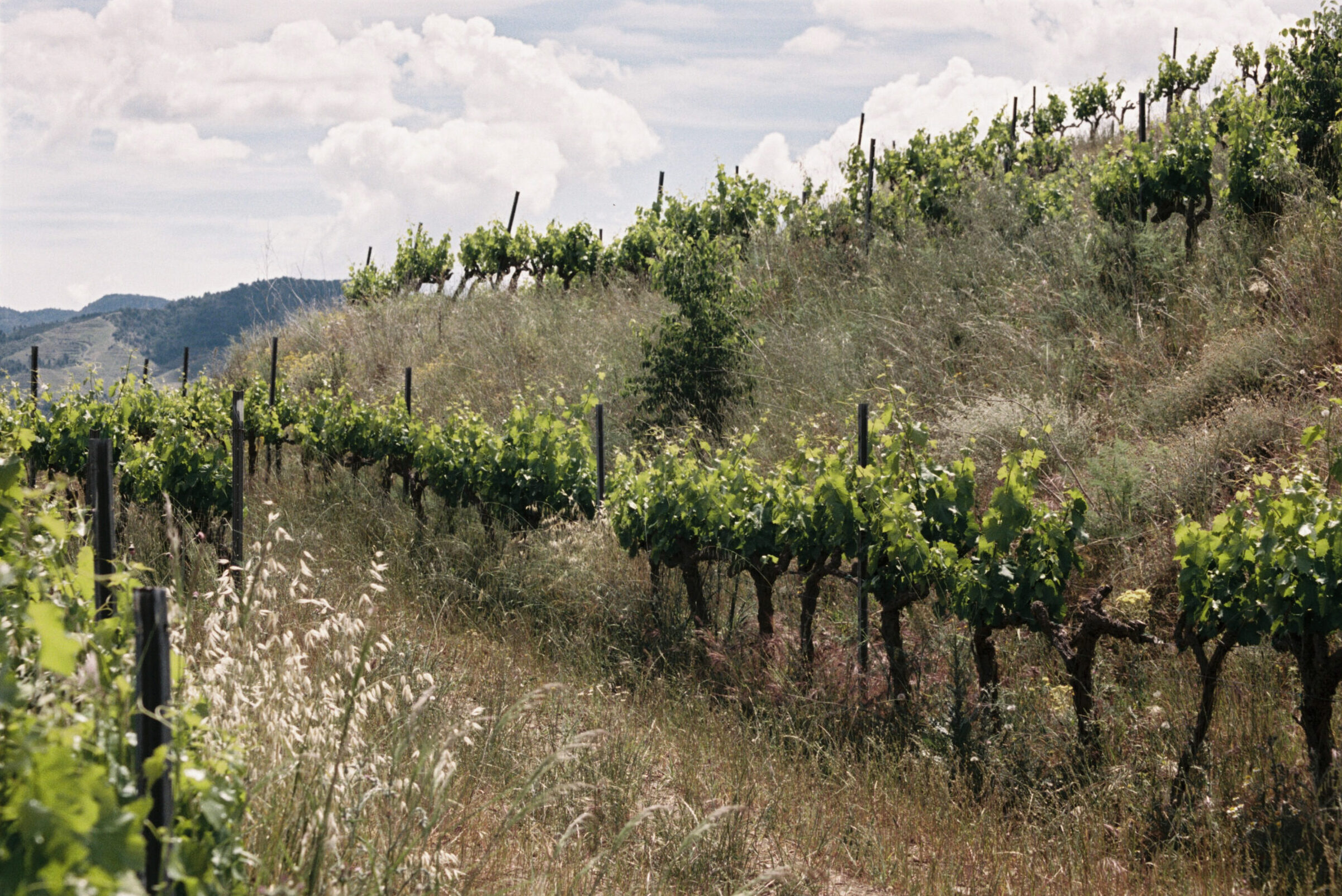
Fulles Daurades
Fulles Daurades means 'Golden Leaves' in Catalan.
I acquired this vineyard from the same family in El Lloar who sold us Motel.
These exceptional vines were planted in the winter of 1939, as the final battles of the Spanish Civil War were being fought just ten kilometres away.
At the time, my grandparents could not have known that the Winter War between Finland and the Soviet Union would begin before the end of that same year.
More than 80 years later, these vines continue to thrive in Priorat's mineral-rich llicorella soils.
As winter approached at the end of 2020, I sat here exhausted after the season's work.
The vine leaves had turned beautiful shades of gold and red.
That moment inspired the name of both the vineyard and the wine made from its old Carignan vines: Fulles Daurades.
- Size: 0.7 hectares
- Grape varietals: Carignan
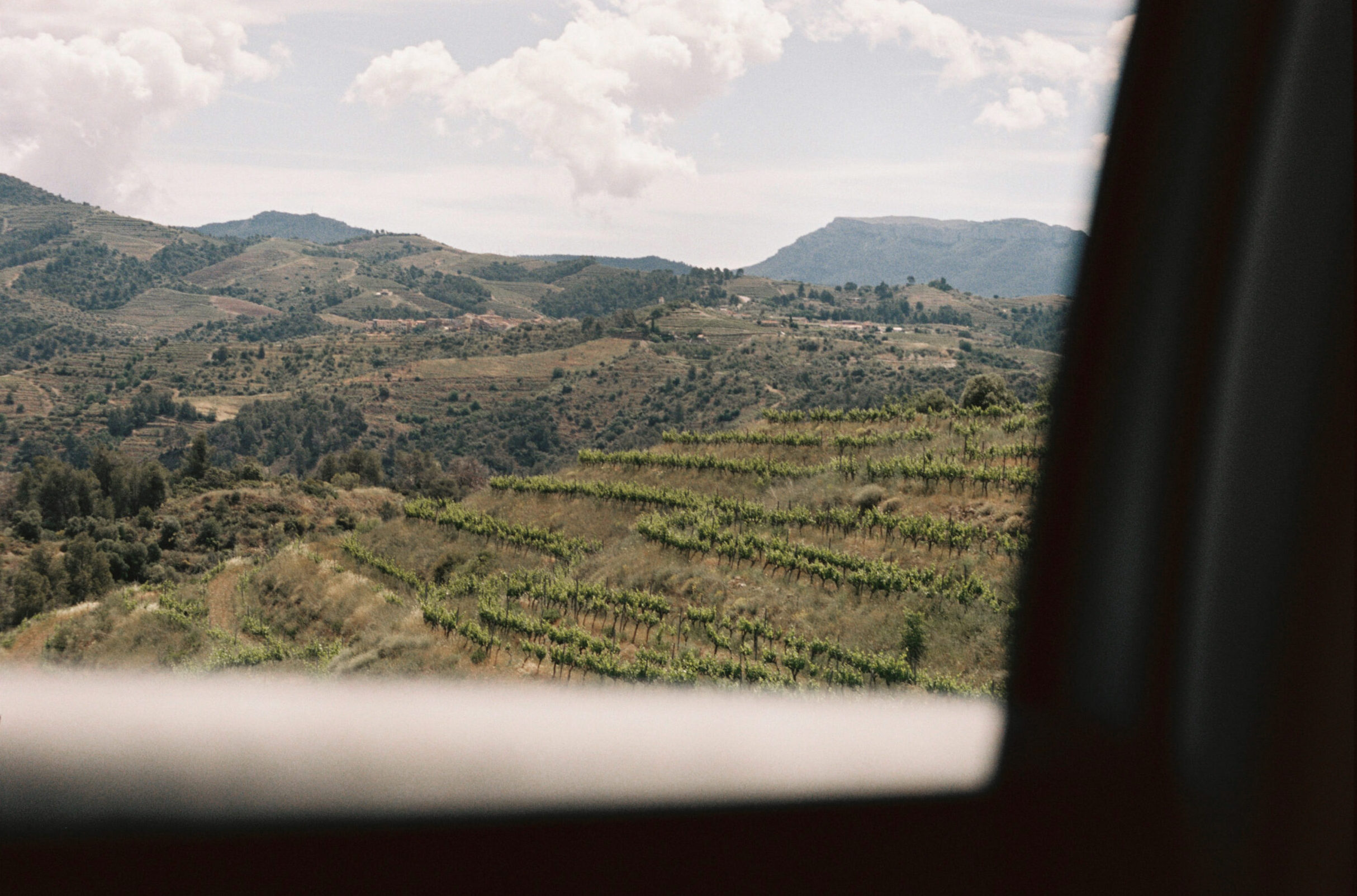
Mas Espill
The history of Mas Espill is linked to five pioneers who helped revive Priorat in the 1980s: René Barbier, Carles Pastrana, Álvaro Palacios, Daphne Glorian and Josep Lluís Pérez.
I have spent hundreds of hours reading their stories and ideas, watching interviews and, of course, tasting their wines.
I have immense respect for what they achieved. Without them, Clos Alkio would not be here, and Priorat would be known today as a very different wine region.
There is a special atmosphere on the terraces of Mas Espill, first planted by some of Priorat's modern pioneers.
The property contains some of the region's earliest Cabernet Sauvignon plantings.
- Planted area: 1.5 hectares
- Grape varietals: Grenache, Cabernet Sauvignon
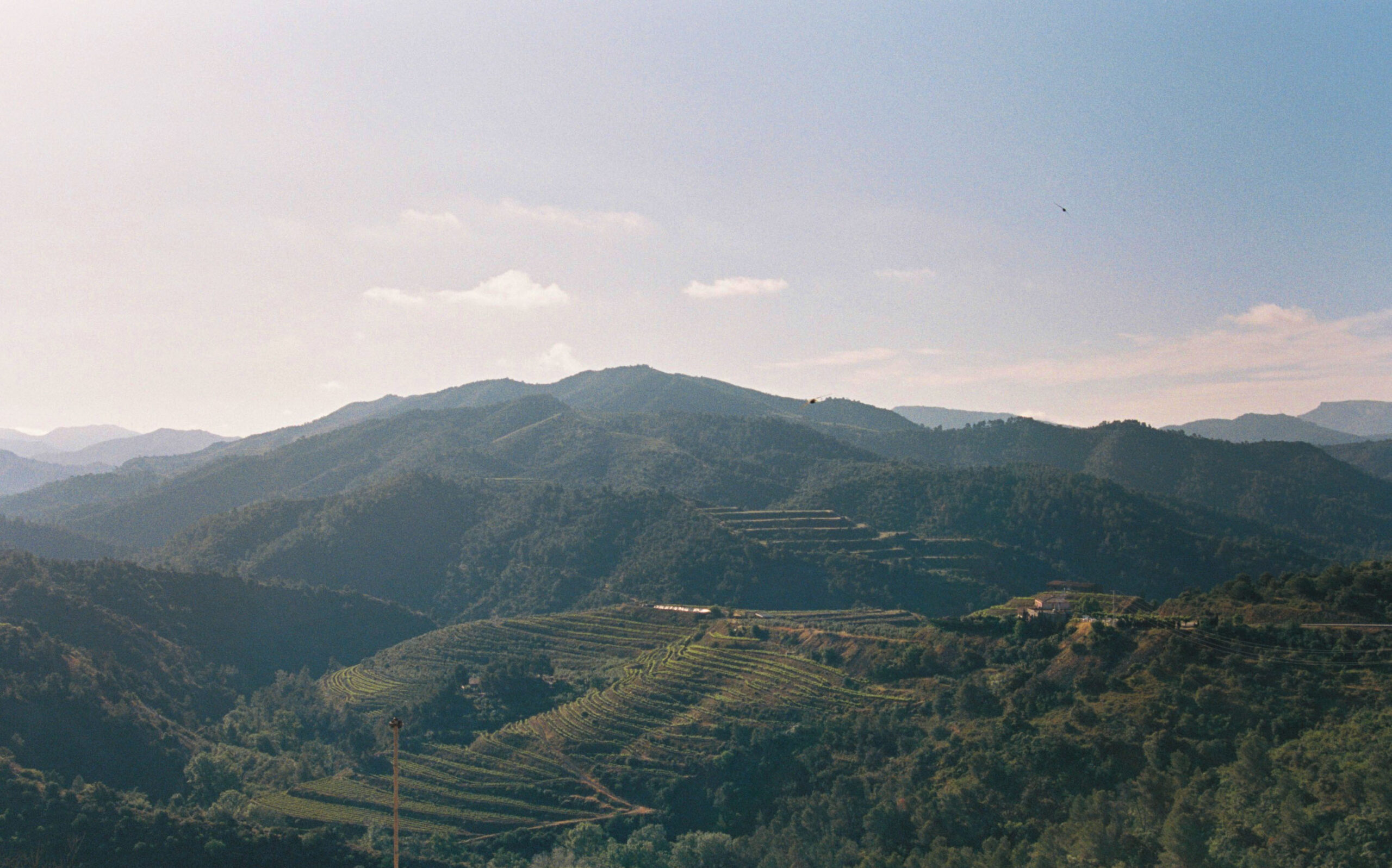
Aino
One hectare. Two white varieties. And a deeply personal wine entering a new chapter.
We recently had the opportunity to acquire a one-hectare vineyard in the beautiful valley between Gratallops and La Vilella Baixa. Planted with Pedro Ximénez and Garnatxa Blanca, the vineyard feels like a natural new home for Aino — the wine named after my daughter.
Aino began on an intimate scale, with a production of only around 400 bottles. The wine brings together 60% Pedro Ximénez and 40% Garnatxa Blanca, combining generosity and texture with freshness, structure and Mediterranean character.
Despite its tiny production, Aino has already attracted international attention. The 2022 vintage received 92 points in the Tim Atkin Catalunya Special Report. Reviewer Fintan Kerr described its ripe orchard fruit, chamomile, tarragon and herbal character, followed by a rounded, gently toasted palate. He gave the wine a drinking window extending to 2032. Aino 2022 has also been reviewed by JancisRobinson.com.
The new vineyard creates the possibility of increasing Aino's production from approximately 400 bottles to as many as 1500. It is a significant step, but the ambition remains unchanged: to make a distinctive white Priorat with patience, precision and respect for the land.
There is much work ahead. Yet standing among these vines, surrounded by the mountains and vineyards between Gratallops and La Vilella Baixa, the strongest feeling is gratitude.
Aino is growing — carefully, naturally and one vintage at a time.
- Size: 1 hectare
- Grape varietals: Pedro Ximénez, Garnatxa Blanca
Priorat
Gratallops and Lloar
The earliest recorded evidence of viticulture and winemaking in Priorat dates to the 12th century.
The Carthusian monastery of Scala Dei was founded in 1194, and its monks established a lasting tradition of viticulture in the region.
In the late 19th century, phylloxera devastated the vineyards, causing severe economic hardship and driving emigration.
Before phylloxera, Priorat had around 5,000 hectares under vine. Replanting took decades.
The DO Priorat was formally created in 1954.
Clos Alkio is based in Gratallops, in the heart of Priorat. The village has more than 25 officially registered wineries, including some of Spain's most renowned producers.
Clos Alkio's vineyards are located around Gratallops and the neighbouring village of El Lloar.
Many of the vines are old and deeply rooted in Priorat's mineral-rich llicorella soils.
Motel in Lloar
The land at El Lloar was the first property acquired by Clos Alkio.
The name Motel comes from a favourite song that I listened to while walking for kilometres along the paths between Priorat's villages. Eventually, those paths brought me here.
It took me only a few hours to decide to buy the property, and it has remained especially meaningful to me ever since.
My first harvest took place here on September 12, 2020.
I have watched the newly planted Carignan vines develop with a sense of wonder.
Despite the dry summer of 2022, the young vines produced a remarkably generous crop.
Here, as in every Clos Alkio vineyard, we use only products permitted in organic viticulture and work to protect the site's biodiversity.
Our aim is always to grow grapes of the highest possible quality.
We have also begun restoring the building at Motel.
I look forward to the day when we can share tastings with friends and clients on Motel's terrace.
- Size: 5.7 hectares (2.9 hectares planted)
- Grape varietals: Grenache, Carignan
Fulles Daurades
Fulles Daurades means 'Golden Leaves' in Catalan.
I acquired this vineyard from the same family in El Lloar who sold us Motel.
These exceptional vines were planted in the winter of 1939, as the final battles of the Spanish Civil War were being fought just ten kilometres away.
At the time, my grandparents could not have known that the Winter War between Finland and the Soviet Union would begin before the end of that same year.
More than 80 years later, these vines continue to thrive in Priorat's mineral-rich llicorella soils.
As winter approached at the end of 2020, I sat here exhausted after the season's work.
The vine leaves had turned beautiful shades of gold and red.
That moment inspired the name of both the vineyard and the wine made from its old Carignan vines: Fulles Daurades.
- Size: 0.7 hectares
- Grape varietals: Carignan
Mas Espill
The history of Mas Espill is linked to five pioneers who helped revive Priorat in the 1980s: René Barbier, Carles Pastrana, Álvaro Palacios, Daphne Glorian and Josep Lluís Pérez.
I have spent hundreds of hours reading their stories and ideas, watching interviews and, of course, tasting their wines.
I have immense respect for what they achieved. Without them, Clos Alkio would not be here, and Priorat would be known today as a very different wine region.
There is a special atmosphere on the terraces of Mas Espill, first planted by some of Priorat's modern pioneers.
The property contains some of the region's earliest Cabernet Sauvignon plantings.
- Planted area: 1.5 hectares
- Grape varietals: Grenache, Cabernet Sauvignon
Aino
One hectare. Two white varieties. And a deeply personal wine entering a new chapter.
We recently had the opportunity to acquire a one-hectare vineyard in the beautiful valley between Gratallops and La Vilella Baixa. Planted with Pedro Ximénez and Garnatxa Blanca, the vineyard feels like a natural new home for Aino — the wine named after my daughter.
Aino began on an intimate scale, with a production of only around 400 bottles. The wine brings together 60% Pedro Ximénez and 40% Garnatxa Blanca, combining generosity and texture with freshness, structure and Mediterranean character.
Despite its tiny production, Aino has already attracted international attention. The 2022 vintage received 92 points in the Tim Atkin Catalunya Special Report. Reviewer Fintan Kerr described its ripe orchard fruit, chamomile, tarragon and herbal character, followed by a rounded, gently toasted palate. He gave the wine a drinking window extending to 2032. Aino 2022 has also been reviewed by JancisRobinson.com.
The new vineyard creates the possibility of increasing Aino's production from approximately 400 bottles to as many as 1500. It is a significant step, but the ambition remains unchanged: to make a distinctive white Priorat with patience, precision and respect for the land.
There is much work ahead. Yet standing among these vines, surrounded by the mountains and vineyards between Gratallops and La Vilella Baixa, the strongest feeling is gratitude.
Aino is growing — carefully, naturally and one vintage at a time.
- Size: 1 hectare
- Grape varietals: Pedro Ximénez, Garnatxa Blanca
